
Transforming renal care with kindness.
Your trusted path to kidney health.
We strive to be your partner in navigating the complexity of kidney disease. We help prepare individuals living with chronic kidney disease and empower them through knowledge and education.
CKD Early detection is key to improving outcomes.
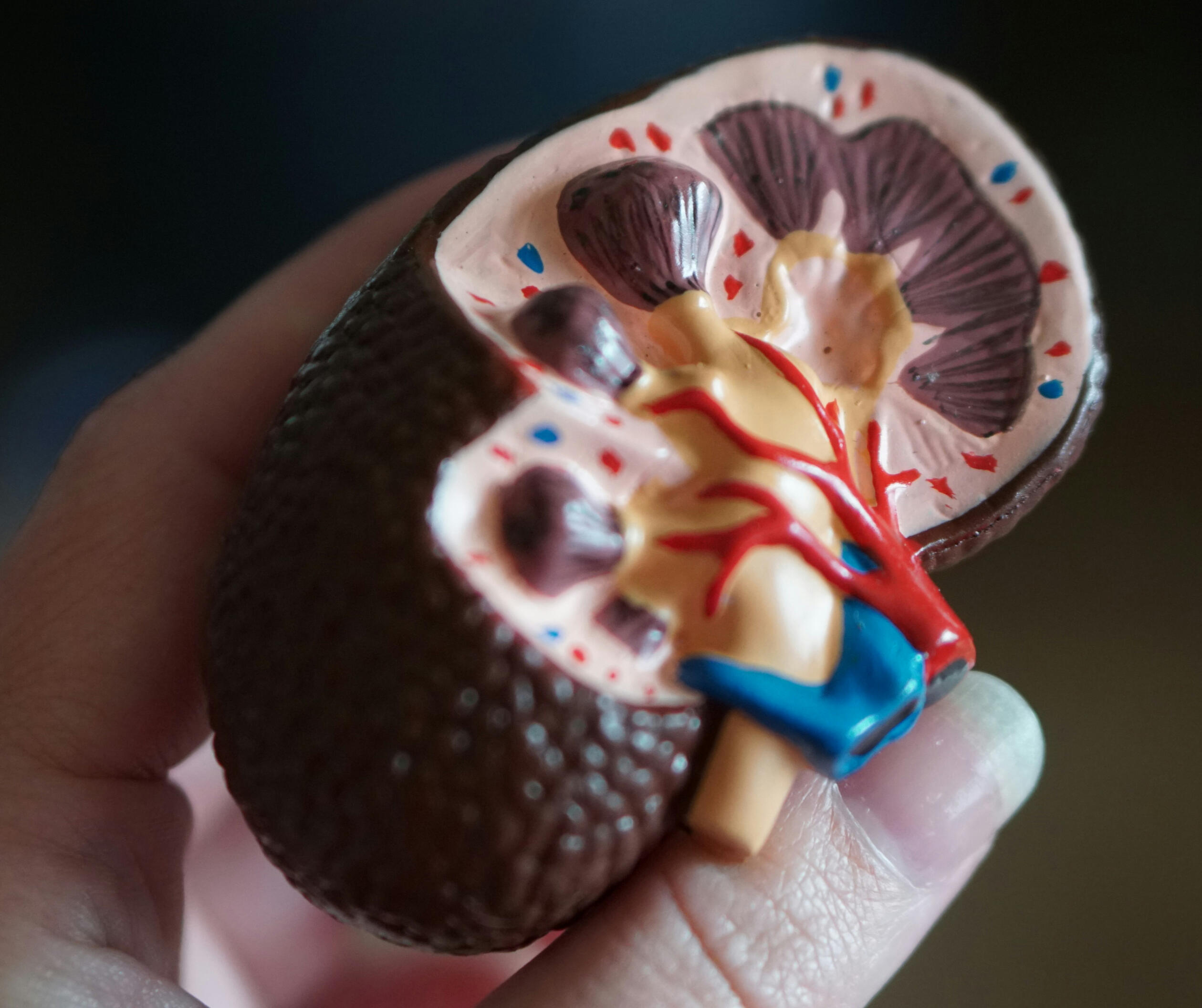
Chronic kidney disease (CKD) affects 35.5 million people, its reputation as a "silent" condition leaves most people unaware until the damage is irreversible. 9 in 10 individuals are unaware they have CKD.
Contributing factors to CKD:
Diabetes
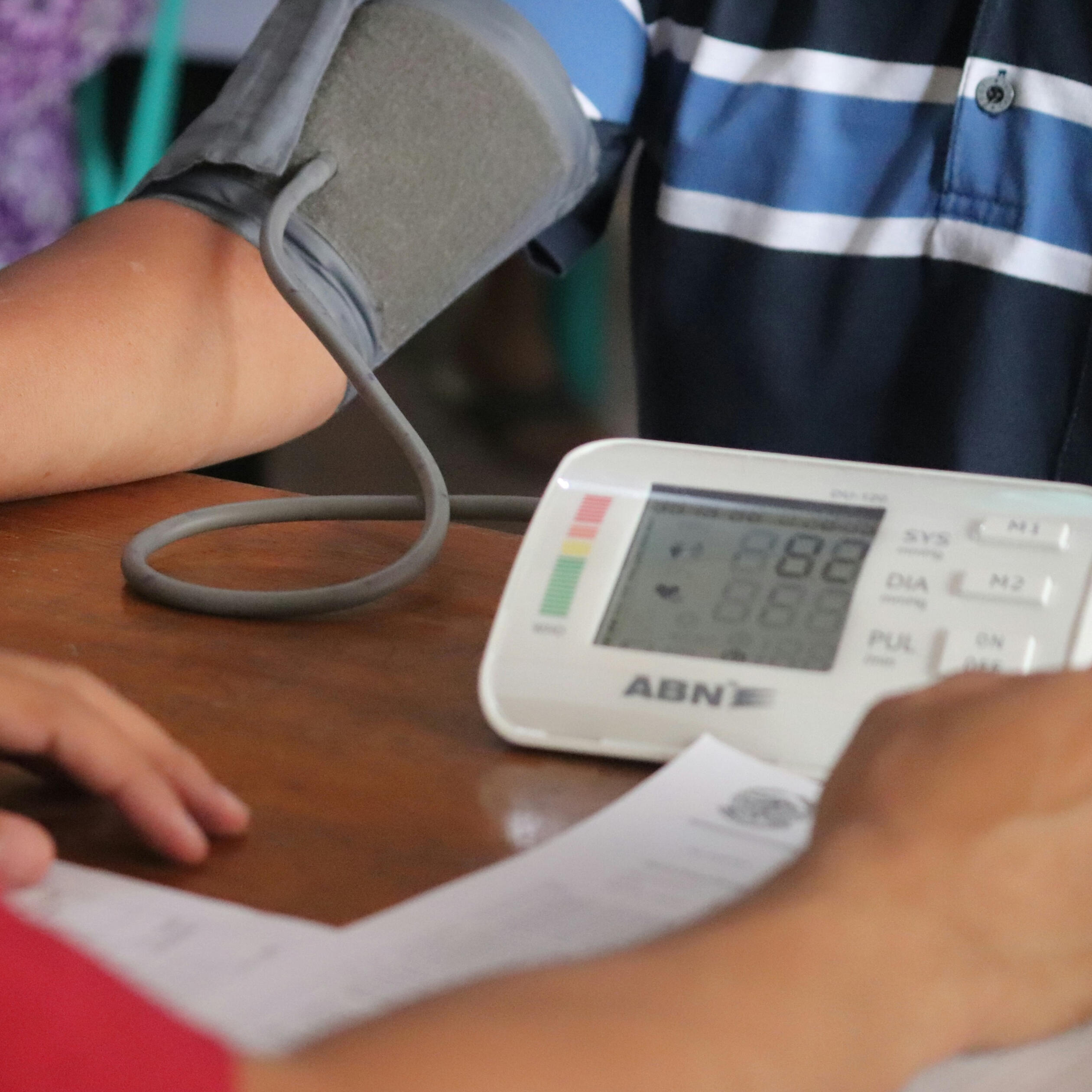
High Blood Pressure
Heart Disease
Genetics and Age

WHY RENAL HEALTH MATTERS
35.5 million people are impacted
9 in 10 individuals are unaware they have CKD
ABOUT OUR NURSE-DRIVEN INITIATIVE

Your partners in kidney health.
Founded by a nurse in 2025, Kind Renal is a social enterprise dedicated to supporting the Healthy People 2030 initiative by helping reduce the burden of kidney disease. Our mission is to raise awareness and to build meaningful partnerships with patients and the community to improve kidney health outcomes.
Services
We believe in proactive kidney health. Our educational resources are designed to provide clear, data-driven, and practical insights into managing chronic kidney disease (CKD) at every stage. Whether you are an individual directly or indirectly impacted by CKD, or someone looking to confidently navigate a new diagnosis, dietary changes, and treatments, our educational pathways provide the precise tools you need. Explore our resources below and partner with us on an empowered, informed, and healthy kidney care journey.


1-on-1 Health Coaching
e-Support Group
Caregiver Support
Community Health
Learn about kidney disease, available treatments, renal diet, and lifestyle change.
Process and adjust with your new diagnosis through community support, adaptive skills, and resilience.
Empowering loved ones, family, and caregivers with knowledge to strengthen partnerships at home.
We provide group classes on disease prevention. Learn about kidney disease prevention and thrive as a community.
HOW IT WORKS

It's easy and flexible.
1 - Connect with us and learn about the services that fits you.
2 - Choose your mode of support: online, call, or text sessions.
3 - Learn about all things kidney health from evidence-based sources.
4 - Optimize your kidney health outcomes through partnership and health education.
Reach out today
Whether you or someone you know have been impacted by CKD or ESKD, we'll work together to help you achieve your kidney health goals. Reach out to us today and we'll connect with you as soon as possible.Note:Our services intend to educate, inform, and provide emotional support for individuals living with kidney disease. All information shared is solely for education purposes and does not represent medical advice, diagnosis, or nurse-patient relationship. Always seek the advice of your healthcare provider.
Resources & Articles
Early Detection of Chronic Kidney Disease Improves Outcomes
Michelle Gayle Flores, RN
Posted on May 5, 2026
Kidney disease has a way of quietly advancing without signs and symptoms. Most people feel completely fine, feeling no pain, no obvious symptoms until the disease has already reached an advanced stage. This is what makes this disease so dangerous, and so heartbreaking.
For many individuals, the first time they learn they have end-stage kidney disease (ESKD) is in an emergency room, where they’re told they need dialysis right away. This is sometimes called “crash” dialysis and it’s exactly as overwhelming as it sounds. Research shows that patients who start dialysis this way tend to have worse health outcomes and face higher medical costs than those who had time to prepare.¹ And beyond the medical impact, the sudden emotional, physical, and financial weight of that moment can make it nearly impossible to absorb information or feel like a partner in their own care.
That’s why early detection matters so much.
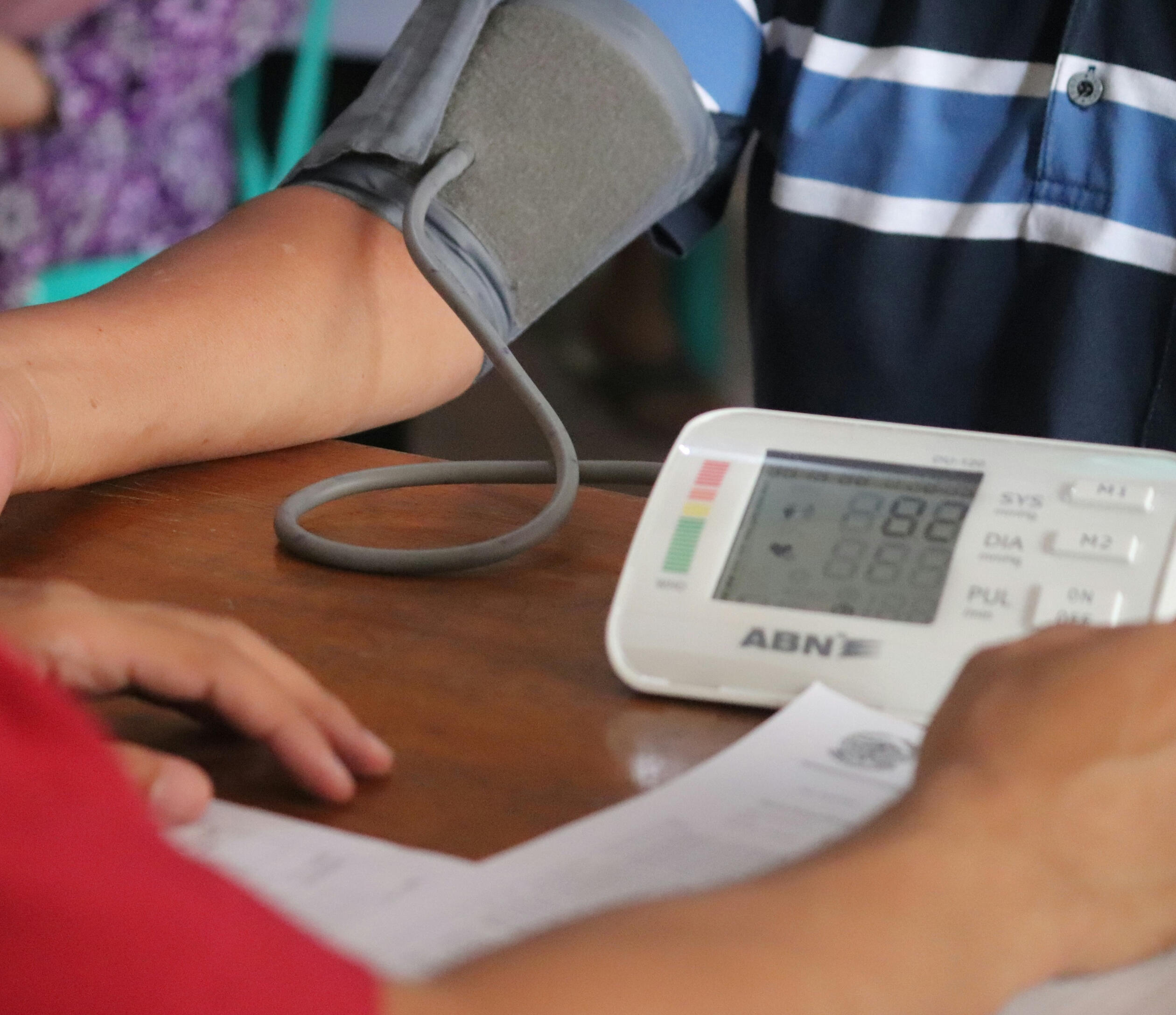
When chronic kidney disease (CKD) is caught early, everything changes. The care team has the opportunity to slow the progression by implementing strategies such as managing blood pressure and blood sugar. Individuals can then have something equally valuable: time. Time to understand their diagnosis. Time to learn about their options, including different types of dialysis and transplant. Time to prepare, ask questions, and make decisions that reflect what matters most to them.That kind of informed, empowered decision-making the basis of what quality kidney care looks like, and it’s only possible when people know what’s happening in their bodies before a crisis forces the conversation.
References:
[1] Wong, L. P., Ghosh, A., Li, J., Rizk, M. K., & Hohman, J. A. (2023). Dialysis costs for a health system participating in value-based care. The American journal of managed care, 29(8), e235–e241. https://doi.org/10.37765/ajmc.2023.89410
Hemodiafiltration: A Growing Abuzz in Dialysis
By Michelle Gayle Flores, RN
Posted on May 17, 2026
Hemodiafiltration (HDF) is a developing renal replacement therapy (RRT) for patients with end-stage kidney disease (ESKD). While new to US, HDF is a treatment modality that has been available for decades in countries such as Europe, Australia, and Japan.¹ Research shows that HDF significantly reduces the risk of death and improves the quality of life for ESKD patients on dialysis. There is a growing discussion about HDF among patients and clinicians alike, driven by recent HDF efforts among dialysis service providers. DaVita and Fresenius, for example, have initiated their respective efforts to advance HDF for patients.⁵
Traditional hemodialysis (HD) uses diffusion to filter small molecular waste such as urea. It uses ultrafiltration (UF) as a mechanism to remove excess fluids from the blood. HD related hypotension remains a challenge for ESKD patients due to UF and fluid shifts.
What is Hemodiafiltration?
HDF uses both diffusion and convection to clear small molecules (urea) and middle-sized molecules (β2-microglobulin) from the blood. In ESKD patients, high levels of β2-microglobulin in the blood is associated with an increased risk of cardiovascular death.³ This capability to remove middle molecules is the driver to decreased mortality in dialysis patients. Similarly, HDF also removes large volumes of fluid via ultrafiltration, however, it uses simultaneous sterile water substitution. This concomitant large volume replacement likely contributes to less hypotensive events during dialysis.
Why HDF?
Despite being the most used treatment modality in ESKD patients, HD is associated with increased risk of death, hospitalizations, and poor quality of life. To this end, in 2023, a randomized trial was conducted in Europe to analyze the impact of HDF on patient mortality risk and quality of life. The study compared outcomes for patients receiving HDF and those receiving traditional HD. Their study concluded that HDF reduced mortality risk by 23% and reported improved cognitive and physical outcomes for ESKD patients.⁵
What Dialysis Companies are Doing
Davita is one of the largest dialysis service providers in the US. As part of their goal to pursue advanced renal replacement therapies such as HDF, they are launching a pilot of 100 FDA-approved HDF-capable machines, the Medium Cut-Off Dialyzer to Extend Life (MODEL) initiative. They are also actively conducting the Increasing Medium Molecular Clearance to Improve Recovery and Sleep (MEMOIRS) study.²
Fresenius Medical Care, a global healthcare company, is also one of the top dialysis service providers in the US. The promising findings from the CONVINCE study influenced their efforts to pursue advanced renal replacement therapy. They have manufactured an HD/HDF-capable machine called 5008X, along with the FX Coral dialyzer, and have recently been cleared by the FDA for use. They are rolling out High Volume Hemodiafiltration (HVHDF) as a modality across all Fresenius clinics. Fresenius advocates for the widespread use of HVHDF due to its improved outcomes.⁴
Although both major dialysis service providers have pursued their own initiatives to pursue HDF and its usage in the US kidney disease population, more data will emerge as research is ongoing. Patients should remain curious and ask their health care providers about the latest on advanced renal replacement therapies and what it would mean for them. Implementing HDF as the standard of care will also present future challenges, including reimbursement, acceptance within the patient population, and the complexity of its implementation. To make HDF rollout a success, it takes collaborative effort. Patients, healthcare providers, industry leaders, and community leaders all need to work together to ensure HDF treatment is accessible for all patients, focus on health results, and keep patient safety as the top priority.
References:
[1] Canziani, M. E. F., Strogoff-de-Matos, J. P., Guedes, M., Barra, A. B. L., Canhada, S., Carvalho, L., Gemente, D., Poli-de-Figueiredo, C. E., & Pecoits-Filho, R. (2024). High volume online hemodiafiltration: a global perspective and the Brazilian experience. Jornal brasileiro de nefrologia, 46(2), e20230104. https://doi.org/10.1590/2175-8239-JBN-2023-0104en
[2] DaVita Kidney Care. (n.d.). Middle molecule clearance. DaVita. https://davita.com/physicians/innovation/middle-molecule-clearance
[3] Fang H, Zhang Q, Jin L. Association of beta-2-microglobulin with cardiovascular and all-cause mortality in the general and non-CKD population. Medicine (Baltimore). 2023 Mar 17;102(11):e33202. doi: 10.1097/MD.0000000000033202. PMID: 36930114; PMCID: PMC10019200.
[4] Fresenius Medical Care. (2026, March). Advancing kidney care: Introducing high-volume hemodiafiltration to the US https://freseniusmedicalcare.com/en/media/insights/innovation/advancing-kidney-care-introducing-high-volume-hemodiafiltration-to-the-us/
[5] Rose, M., Fischer, F. H., Liegl, G., Strippoli, G. F. M., Hockham, C., Vernooij, R. W. M., Barth, C., Canaud, B., Covic, A., Cromm, K., Cucui, A. M., Davenport, A., Fischer, K. I., Hegbrant, J., Jaha, H., Schappert, A., Török, M., Woodward, M., Bots, M. L., Blankestijn, P. J., … CONVINCE Scientific Committee and CONVINCE Investigators (2024). The CONVINCE randomized trial found positive effects on quality of life for patients with chronic kidney disease treated with hemodiafiltration. Kidney International, 106(5), 961–971. https://doi.org/10.1016/j.kint.2024.07.014